

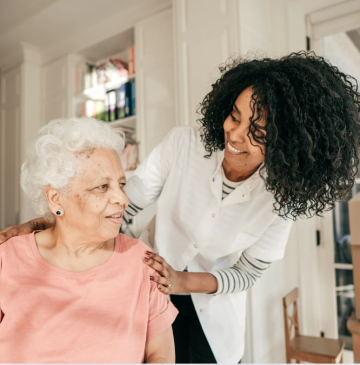
For most older adults, home is more than just a place—it’s comfort, independence, familiarity, and dignity. As families begin navigating care decisions, one thing becomes very clear: the overwhelming majority of aging adults want to remain in their own homes for as long as safely possible.
In fact, nearly 9 out of 10 adults age 65 and older say they prefer to stay in their current home as they age, rather than move to a facility. This preference spans generations and income levels, and it’s rooted in something very human—the desire to stay connected to routines, memories, neighbors, pets, and community.
The Benefits of Aging in Place
Staying at home isn’t just about preference—it comes with real, measurable benefits:
- Improved emotional well-being
Older adults who remain at home often experience lower levels of stress, anxiety, and depression. Familiar surroundings provide a sense of control and comfort during times of change. - Better physical health outcomes
Studies show that seniors who receive support at home are less likely to experience preventable hospitalizations and falls when proper care and safety measures are in place. - Greater independence and dignity
In-home care allows individuals to maintain daily routines, make choices about their day, and receive help only where it’s needed—rather than a one-size-fits-all approach. - Stronger family connections
Families often report more meaningful time together when care happens at home, without the rigid schedules or stress that can come with facility visits. - Cost-effective support
For many families, in-home care can be a more flexible and affordable option compared to full-time residential care, especially when care needs are part-time or gradually increasing.
What Makes In-Home Care Work
Aging at home works best when it’s intentional and supported. In-home care is not about doing everything for someone—it’s about supporting them where they are. This can include help with personal care, companionship, medication reminders, meal preparation, transportation, and safety oversight.
Just as important, quality in-home care adapts as needs change. Care plans can evolve gradually, helping families stay ahead of challenges rather than reacting to crises.
A Thought to Leave You With
Choosing care is never just a logistical decision—it’s an emotional one. When older adults are supported in the place they love most, it often leads to better outcomes for everyone involved: the individual, the family, and the caregivers walking alongside them.
If staying at home is the goal, having the right support can make all the difference.